Atlanta, GA / Outpatient Opiate Rehab
Opiate Addiction Treatment in Atlanta, GA
The physical and emotional pull of opiates can make it extremely difficult to stop using without help. Many people become trapped in a cycle of cravings, withdrawal symptoms, short-term relief, and repeated attempts to quit.
Northview Wellness provides opiate addiction treatment in Atlanta, GA for adults struggling with prescription opioid addiction treatment, heroin addiction treatment, fentanyl addiction treatment, or other opioid substances. Our physician-led outpatient programs are designed to help patients stabilize, manage withdrawal concerns, reduce relapse risk, and begin building a long-term recovery plan.
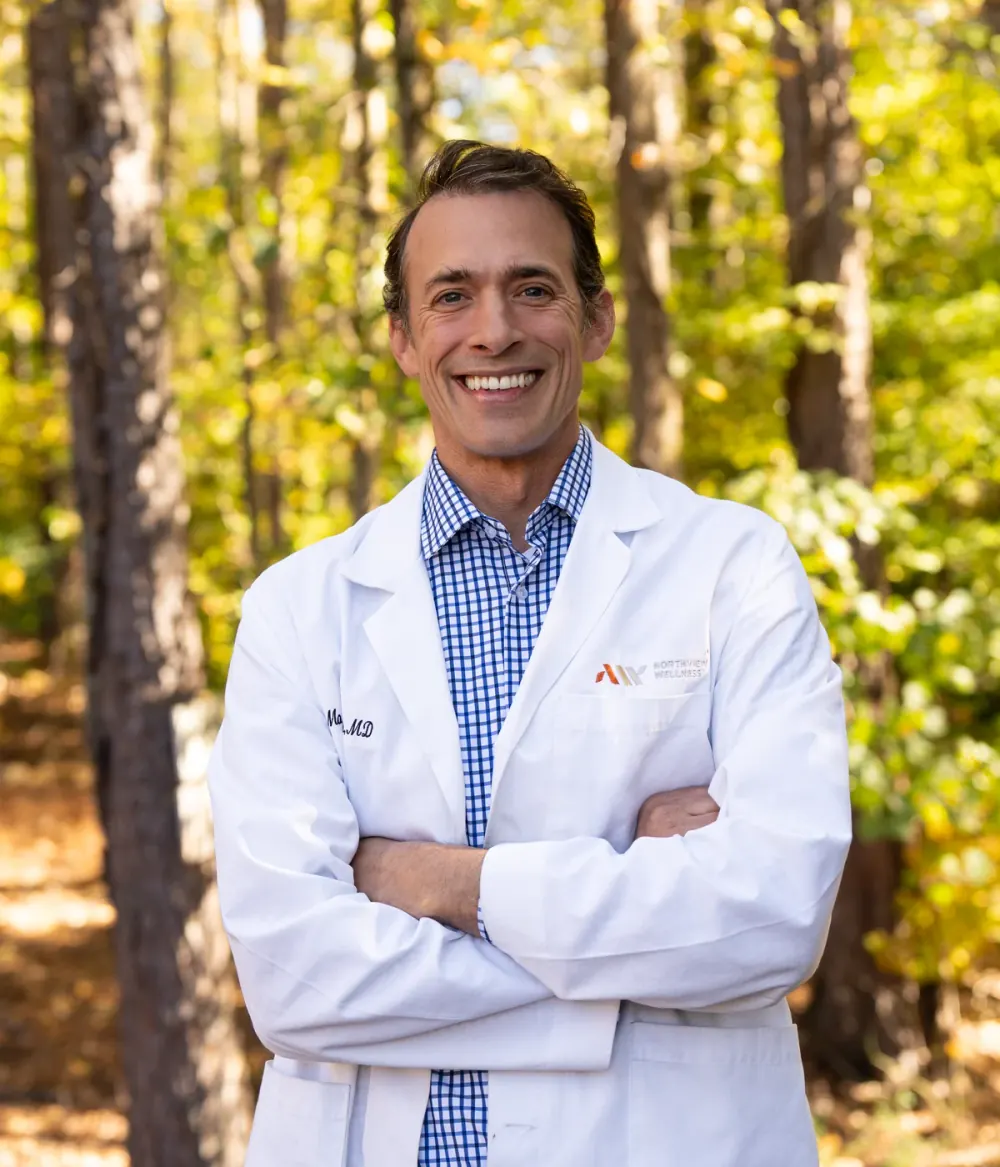
Treatment may include outpatient detox when appropriate, Medication-Assisted Treatment, PHP, IOP, outpatient therapy, family support, and recovery life coaching. Care is led by Dr. Moshe Bachar, a board-certified addiction medicine specialist, and personalized around your health, symptoms, substance use history, and recovery goals.
Understanding the condition
What Is Opiate Addiction?
Opiate addiction, also called opioid use disorder, is a condition involving the misuse of opioid substances that can lead to cravings, tolerance, dependence, withdrawal symptoms, and difficulty stopping use.
Opiates and opioids may include prescription pain medications such as oxycodone, hydrocodone, morphine, and codeine, as well as heroin and synthetic opioids such as fentanyl. These substances affect the brain’s reward system and can create feelings of pain relief, calm, relaxation, or euphoria.
Over time, repeated opioid use can change how the brain and body function. A person may need more of the substance to feel the same effect. When use is reduced or stopped, withdrawal symptoms may begin. This can keep a person using even when they want to stop.
Opiate addiction is not simply a lack of willpower. It is a medical condition that often requires professional treatment, medical support, therapy, and a long-term recovery plan.
The cycle
Why Opiates Can Be So Hard to Quit
Opiate addiction often involves both physical dependence and psychological dependence.
Physically, the body may become used to opioids being present. When the drug is not used, withdrawal symptoms can feel overwhelming. Psychologically, opioids may become connected to stress relief, emotional escape, pain control, sleep, trauma, anxiety, depression, or daily functioning.
This creates a painful cycle:
- Using opioids to feel normal or avoid withdrawal
- Needing higher amounts over time
- Experiencing cravings when not using
- Trying to stop but feeling physically or emotionally unable
- Returning to use to escape symptoms
- Feeling shame, fear, or isolation afterward
Professional treatment can help break this cycle with medical support, structured therapy, medication when appropriate, and relapse-prevention planning.
Recognizing the pattern
How Do I Know If I’m Addicted to Opiates?
Recognizing opiate addiction can be difficult, especially when opioid use began with a legitimate prescription after surgery, injury, or chronic pain. Addiction may develop gradually, and many people do not realize how dependent they have become until cravings or withdrawal symptoms appear.
You may need opiate addiction treatment if you are:
- Taking more medication than prescribed
- Running out of prescriptions early
- Using opioids to feel normal
- Feeling intense cravings or urges to use
- Experiencing withdrawal symptoms when not using
- Needing higher doses to get the same effect
- Trying to quit but being unable to stop
- Spending significant time getting, using, or recovering from opioids
- Neglecting work, school, family, or responsibilities
- Isolating from loved ones
- Losing interest in activities that used to matter
- Continuing to use despite health, legal, financial, emotional, or relationship consequences
- Using heroin, fentanyl, or pills from nonmedical sources
If these signs sound familiar, it may be time to reach out for help. A confidential assessment can help determine what level of care may be appropriate.
Safety
Opiate Withdrawal: Why Medical Support Matters
Opiate withdrawal can be extremely uncomfortable and difficult to manage alone. Symptoms may begin after opioid use is reduced or stopped, especially if the body has become physically dependent.
Common opiate withdrawal symptoms may include:
- Intense cravings
- Nausea or vomiting
- Sweating
- Chills
- Anxiety
- Agitation
- Muscle aches
- Restlessness
- Insomnia
- Diarrhea
- Runny nose or watery eyes
- Increased heart rate
- Stomach cramps
- Flu-like symptoms
Withdrawal can drive continued opioid use because using again may temporarily relieve symptoms. For many people, medical support makes the early stage of recovery safer, more manageable, and more likely to continue.
Outpatient Opiate Detox
Northview Wellness offers outpatient detox when clinically appropriate. Before detox begins, our team evaluates your opioid use history, withdrawal risk, medical needs, mental health, medications, and home environment.
When outpatient detox is a fit, patients receive physician-guided monitoring, medication support when appropriate, and a plan for continuing treatment after withdrawal symptoms improve.
When a Higher Level of Care May Be Needed
Outpatient detox is not right for everyone. A higher level of care may be recommended if there is overdose risk, severe withdrawal, medical instability, unsafe living conditions, severe psychiatric symptoms, or a need for 24-hour monitoring.
If you or someone else may be overdosing, call 911 immediately. Signs may include slow or stopped breathing, blue lips or fingertips, inability to wake up, choking or gurgling sounds, limp body, or loss of consciousness.
Medication support
Medication-Assisted Treatment for Opiate Addiction
Medication-Assisted Treatment, or MAT, can be an important part of opioid addiction recovery. MAT combines FDA-approved medications with counseling, behavioral therapy, monitoring, and recovery support.
For many people, medication can help reduce cravings, ease withdrawal symptoms, lower relapse risk, and support stability during early recovery. MAT is not a replacement for therapy or personal recovery work. It is a medical tool that can help patients stay engaged in treatment.
At Northview Wellness, medication decisions are physician-led. Dr. Moshe Bachar and the care team evaluate each patient’s symptoms, substance use history, medical needs, and recovery goals before recommending medication support.
MAT May Help With
- Opioid cravings
- Withdrawal symptoms
- Relapse risk
- Physical stabilization
- Treatment engagement
- Early recovery structure
- Transitioning away from opioid use
Medication Support Is Part of a Larger Plan
Medication may be combined with individual therapy, group therapy, family support, relapse prevention, PHP, IOP, outpatient care, and recovery life coaching.
Insurance
Insurance May Cover Opiate Addiction Treatment
Insurance may help cover opiate addiction treatment, including outpatient detox, Medication-Assisted Treatment, PHP, IOP, outpatient therapy, and medication management. Coverage depends on your plan, benefits, medical necessity, and recommended level of care.
Northview Wellness can verify your insurance benefits confidentially before treatment begins.
Levels of care
Opiate Rehab Program Options in Atlanta
Recovery from opiate addiction is often a step-by-step process. Some people need support managing withdrawal symptoms and cravings at the beginning. Others need structured treatment to help them stay away from prescription opioids, heroin, fentanyl, or other opioid substances while rebuilding stability in daily life.
Northview Wellness offers multiple outpatient levels of care for opiate addiction treatment in Atlanta. Your treatment plan may include medication support, therapy, relapse prevention, and ongoing accountability based on your opioid use history, withdrawal risk, recovery goals, and clinical needs.
Partial Hospitalization Program
The Partial Hospitalization Program, or PHP, offers a highly structured level of outpatient opiate treatment without an overnight stay. PHP may be appropriate for people who need significant support during early opioid recovery, especially when cravings, withdrawal concerns, relapse risk, or mental health symptoms require more frequent care.
PHP may include individual therapy, group support, relapse prevention, medication management, MAT support when clinically appropriate, and continued treatment planning for opioid use disorder.
Intensive Outpatient Program
The Intensive Outpatient Program, or IOP, provides structured opiate addiction treatment with more flexibility than PHP. IOP allows patients to attend treatment several days per week while continuing to live at home and maintain some work, school, or family responsibilities.
IOP may be a fit for people recovering from prescription opioid misuse, heroin use, fentanyl use, or other opioid dependence who need ongoing therapy, recovery education, relapse prevention, medication support, and peer connection.
Outpatient Program
Outpatient care may be appropriate for patients stepping down from PHP, IOP, detox, or another level of opioid treatment. It can also support people who need continued help managing cravings, triggers, medication needs, and relapse risk while maintaining recovery.
This level of care may include therapy, medication management, MAT follow-up when appropriate, recovery planning, relapse-prevention work, and continued accountability.
Recovery Life Coaching
Recovery life coaching helps patients build structure after the most intensive stage of opiate treatment. For people recovering from opioid addiction, daily routines, accountability, healthy decision-making, and support outside of treatment can make a major difference.
Coaching may support goal-setting, rebuilding trust, managing responsibilities, avoiding high-risk situations, creating healthier habits, and strengthening the life skills needed for long-term recovery from opiate addiction.
The process
What to Expect During Opiate Addiction Treatment
Treatment begins with a confidential assessment. The team will ask about your opioid use, withdrawal symptoms, medical history, mental health, medications, previous treatment attempts, support system, and recovery goals.
From there, Northview Wellness can help determine whether outpatient detox, MAT, PHP, IOP, outpatient care, recovery coaching, or another level of care may be appropriate.
During treatment, patients may participate in therapy, group sessions, medication management, recovery education, relapse-prevention planning, and ongoing check-ins with the care team.
The goal is to help patients stabilize physically, work through the emotional impact of addiction, develop healthier coping skills, and build a plan for life after treatment.
Understanding the cycle
Breaking the Cycle of Opiate Use
Opiate addiction often becomes a cycle of using, feeling temporary relief, experiencing withdrawal or cravings, and then using again to feel normal. For many people, the cycle becomes less about getting high and more about avoiding sickness, emotional distress, or the fear of withdrawal.
This pattern can happen with prescription opioids, heroin, fentanyl, or more than one opioid substance. Over time, the cycle can affect health, sleep, motivation, relationships, work, finances, and a person’s sense of control.
Treatment at Northview Wellness helps patients understand what keeps the cycle going and what support may be needed to interrupt it. This may include outpatient detox when appropriate, Medication-Assisted Treatment, therapy, relapse prevention, and a structured outpatient program such as PHP, IOP, or outpatient care.
Using to Avoid Withdrawal
Many people continue using opioids because withdrawal symptoms feel overwhelming. Treatment can help assess withdrawal risk and determine whether outpatient detox or another level of care may be appropriate.
Cravings and Triggers
Cravings can be connected to stress, pain, certain people, familiar places, emotions, or routines. Opiate treatment helps patients identify these triggers and build safer ways to respond.
Returning to Use After Trying to Stop
Relapse can happen when cravings, withdrawal, untreated mental health symptoms, or old environments become too difficult to manage alone. A structured treatment plan helps patients build support before those moments happen.
Long-term recovery
Is Opiate Rehab Effective?
Opiate addiction can feel overwhelming, but recovery is possible with the right support. Effective treatment often combines medical care, medication support when appropriate, therapy, relapse prevention, accountability, and ongoing recovery planning.
Recovery is not usually a one-time event. It is a process that may require continued effort, support, and adjustments over time.
Northview Wellness helps patients build skills and structure that can support recovery beyond the first stage of treatment. This may include continued outpatient care, medication management, therapy, recovery coaching, and a long-term relapse-prevention plan.
Location
Opiate Addiction Treatment Near Atlanta, GA
Northview Wellness is located in Norcross, Georgia and serves adults throughout Atlanta and the surrounding metro area.
Northview Wellness
3020 Holcomb Bridge RdNorcross, GA 30071
We serve people from Atlanta, Norcross, Alpharetta, Roswell, Sandy Springs, Marietta, Duluth, Johns Creek, Peachtree Corners, Buckhead, Woodstock, and surrounding Georgia communities.
FAQ
Frequently Asked Questions About Opiate Addiction Treatment in Atlanta
What is opiate addiction?
Opiate addiction, also known as opioid use disorder, is a condition involving cravings, tolerance, physical dependence, withdrawal symptoms, and difficulty stopping opioid use despite negative consequences.
What substances are considered opiates or opioids?
Opiates and opioids may include prescription painkillers such as oxycodone, hydrocodone, morphine, and codeine, as well as heroin, fentanyl, and other synthetic opioids.
Do I need detox for opiate addiction?
Many people who have become physically dependent on prescription opioids, heroin, or fentanyl benefit from detox before beginning ongoing treatment, especially if stopping use brings on cravings, sweating, chills, muscle aches, nausea, or other opioid withdrawal symptoms. Northview Wellness can assess your opioid use history and withdrawal risk to determine whether outpatient detox is appropriate or whether a higher level of care is safer.
What are opiate withdrawal symptoms?
Opiate withdrawal symptoms may include intense cravings, nausea or vomiting, sweating, chills, anxiety, agitation, muscle aches, restlessness, insomnia, diarrhea, runny nose or watery eyes, stomach cramps, and flu-like symptoms. Withdrawal can drive continued use because using opioids again may temporarily relieve symptoms, which is why medical support during early recovery matters.
Does Northview Wellness offer MAT for opiate addiction?
Yes. Northview Wellness offers Medication-Assisted Treatment for opioid use disorder when clinically appropriate. MAT may help reduce opioid cravings, ease withdrawal symptoms, lower relapse risk, and support stability during early recovery from prescription opioid, heroin, or fentanyl use. MAT is combined with therapy and ongoing recovery support.
Can I keep working during opiate addiction treatment?
Many patients continue working while participating in IOP, outpatient care, or ongoing MAT, especially once opioid cravings and withdrawal symptoms are stable. PHP may require more time during the day. The right level of care depends on your opioid use history, withdrawal risk, mental health, safety, and treatment plan.
Is outpatient opiate rehab enough?
Outpatient opiate rehab may be appropriate for people who are medically stable, have a safe living environment, and do not require 24-hour monitoring. A higher level of care may be safer if there is overdose risk, severe opioid withdrawal, fentanyl exposure, unstable mental health, or unsafe living conditions. Northview Wellness will be honest if a higher level of care is the right recommendation.
Does insurance cover opiate addiction treatment?
Insurance may help cover parts of opiate addiction treatment such as outpatient detox, Medication-Assisted Treatment, PHP, IOP, outpatient therapy, medication management, and follow-up care. Coverage depends on your plan, benefits, medical necessity, and recommended level of care. Northview Wellness can verify your benefits before treatment begins.
Where is Northview Wellness located?
Northview Wellness is located at 3020 Holcomb Bridge Rd in Norcross, GA and serves adults throughout Atlanta and the surrounding metro area.